At ₹15,000 or more, a pen is no longer just a tool for writing. It is an object you'll hold every day and probably keep for decades. So it is fair to ask what the money buys. Here's a clear look at where the value in a premium pen comes from, and how to tell whether a particular pen is worth it to you.
Where the money goes
1. The material
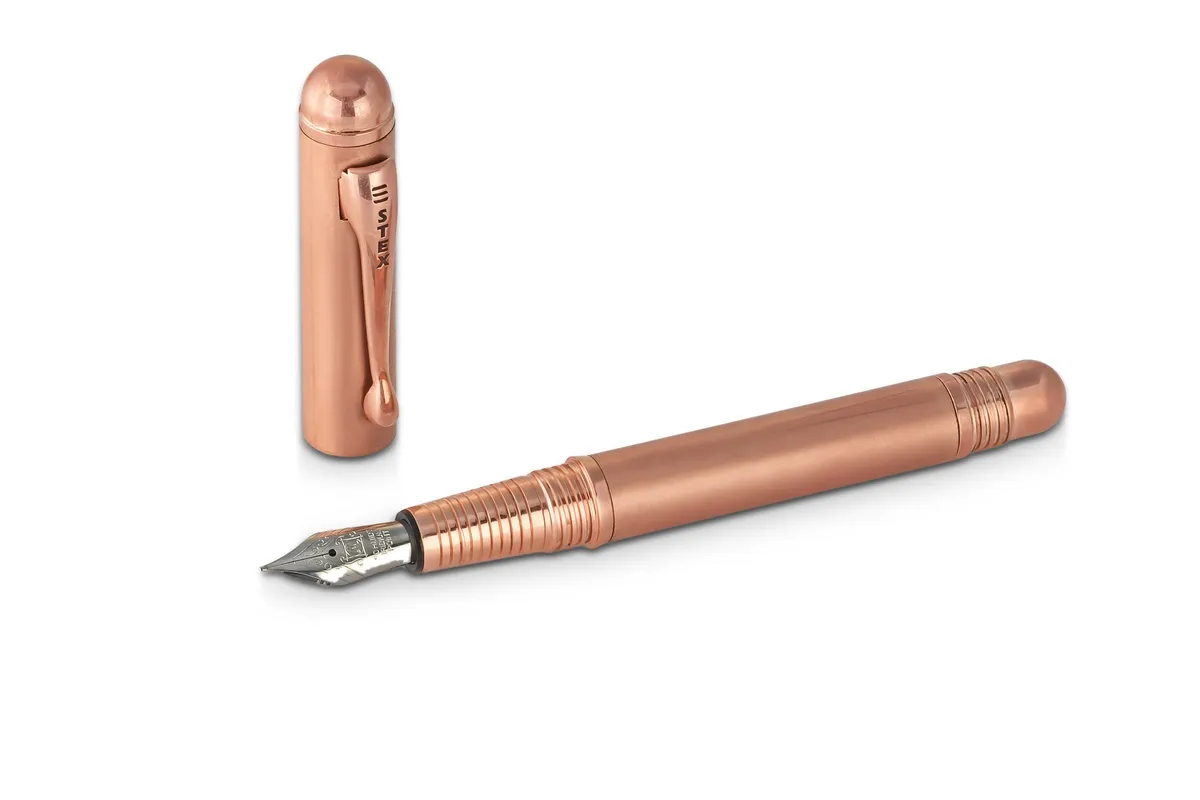
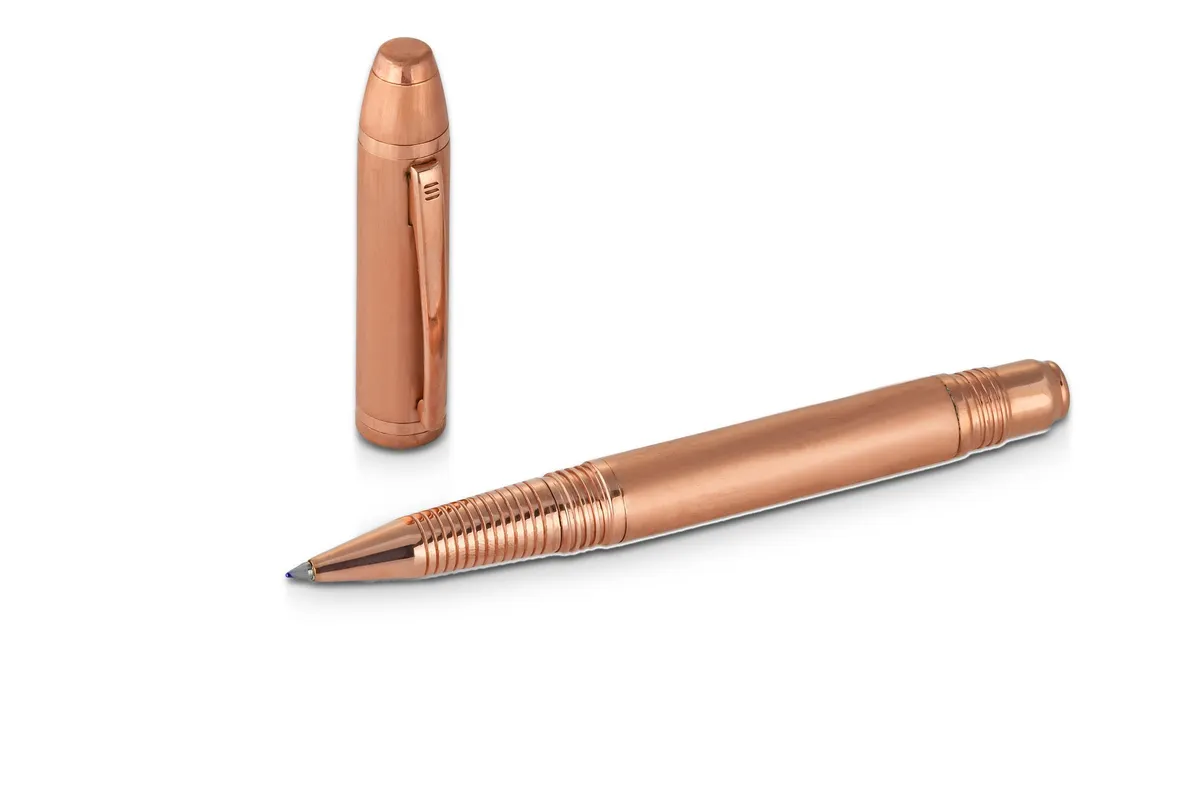
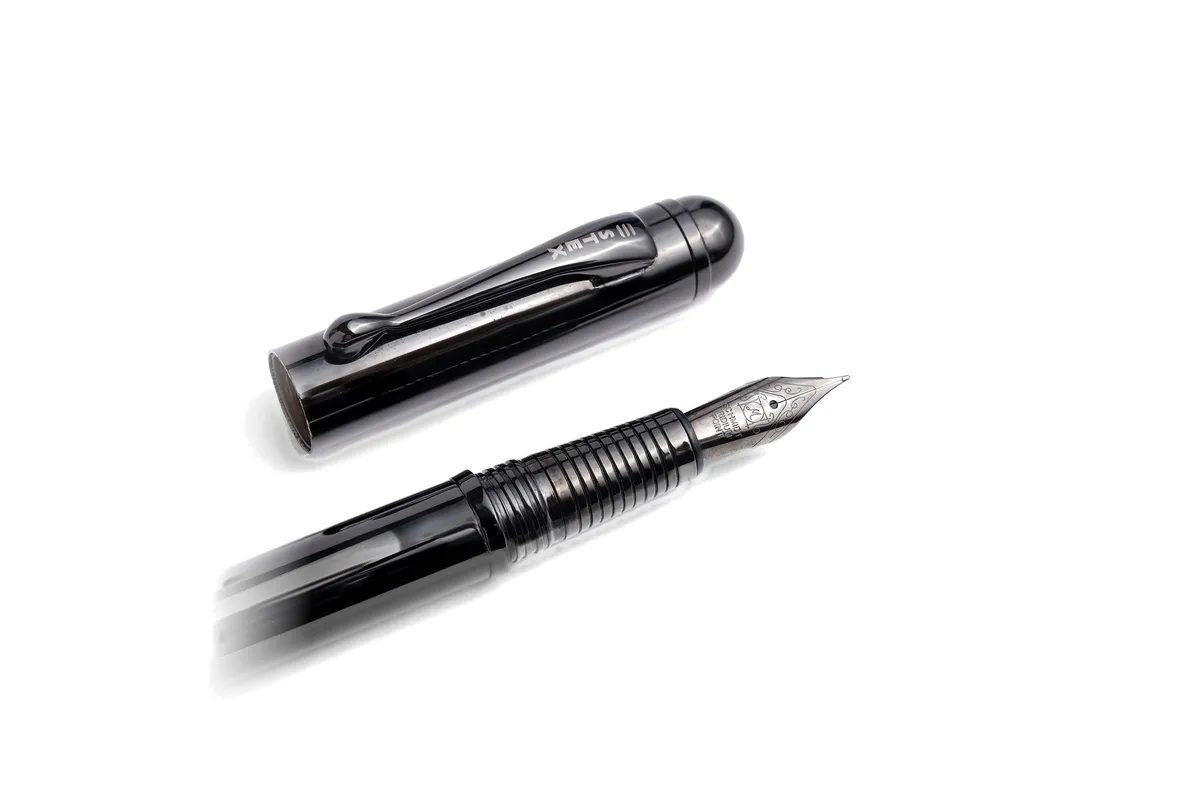
The biggest difference between an everyday pen and a premium one is what it's made of. Many inexpensive pens are moulded plastic or thin metal tube. A premium metal pen is often machined from a solid bar: copper, brass, titanium or steel, sometimes with a coating such as black PVD.
Solid metal gives a pen weight, balance and durability, and some metals add character. Copper darkens into a patina; titanium stays the same for years. Our comparison of copper, brass and titanium explains the differences.
2. The machining
Machining from solid bar is slow work. The cap threads, the section, the fit between cap and barrel, the clip and any grip pattern all have to be cut and checked. You notice good machining in small ways: the cap closes with an even, positive feel, there's no wobble between parts, and seams line up.
Some details only come from careful design. On the STEX D’Magno, the clip lines up exactly with the nib when the cap is posted. The Magneto cap closes on a magnet, so it clicks shut in one movement with no twisting.
3. The nib and filling system
The nib decides how a fountain pen writes. A premium pen should use a proven nib unit with a smooth, consistent flow. Every STEX fountain pen uses a German Schmidt steel nib, with medium as standard and fine and bold available on most models. (What is a Schmidt nib?)
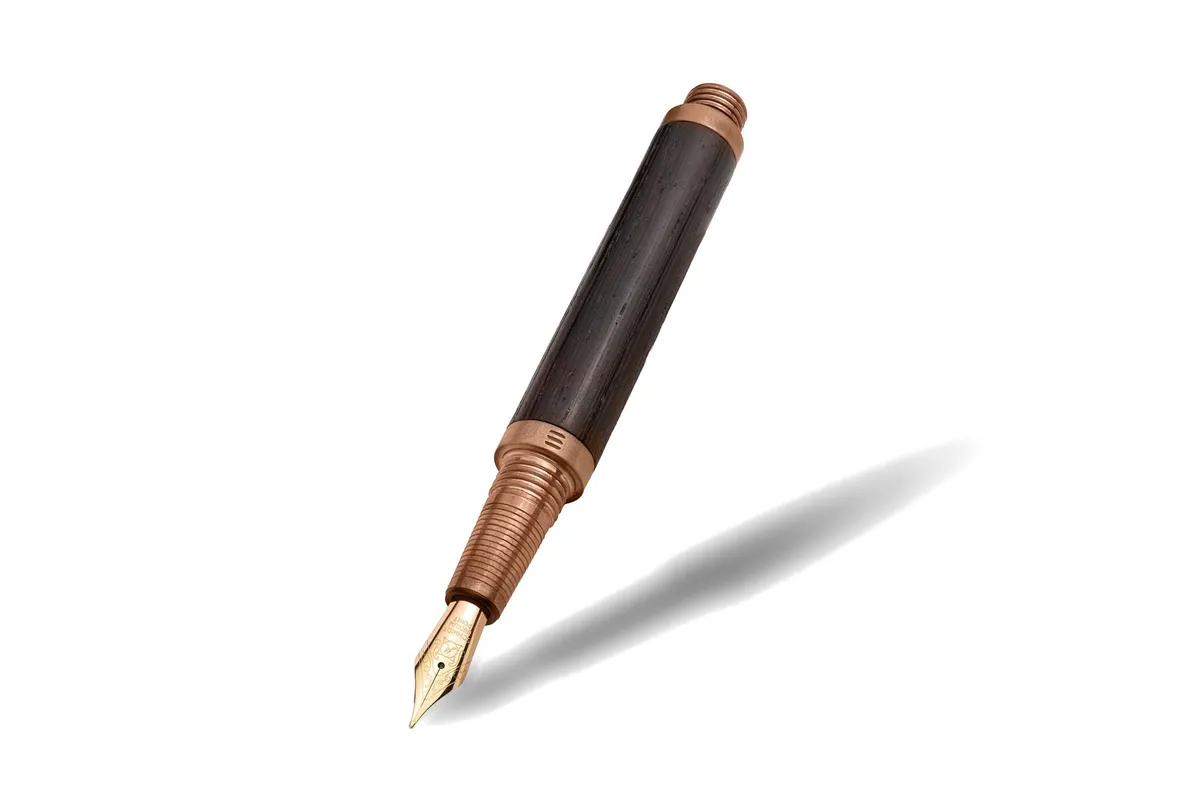
At the top end, some pens use solid gold nibs. The STEX Astakona limited edition, for example, has an 18-carat solid gold nib.
4. The finishing
Finishing is the hand work that happens after machining: smoothing edges, polishing or brushing surfaces, and checking every part. It's what makes a pen feel right in the hand, and it's hard to automate. Every STEX pen is finished by hand in our workshop, Made in India.
5. The lifetime
A pen used every day for twenty years has a very different cost per day from one that lasts a few months. Solid metal bodies don't crack or wear through plating, and a standard nib unit can be replaced if it is ever damaged. That's a large part of why people treat a good pen as a long-term purchase rather than a consumable.
How to judge a premium pen before you buy
Use this checklist:
| Ask | Why it matters |
|---|---|
| What is the body made of? Solid or plated? | Decides weight, durability and how it ages |
| What nib does it use? What widths are offered? | Decides how it writes |
| How does it fill? Converter, cartridge or both? | Decides convenience and ink choice |
| How much does it weigh, and where is the weight? | Decides comfort over long writing |
| What happens if it arrives with a defect? | Tells you how the maker stands behind it |
| Does it suit how you write and carry a pen? | Decides whether you'll actually use it |
The last question matters most. An expensive pen that's too heavy, too thin or too long for you will stay in a drawer. Our guide to pen weight and balance helps you work out what suits your hand.
Is a luxury pen worth it?
It's worth it if:
- You write by hand most days, so you'll feel the difference every time.
- You want a pen to keep, give or pass on, rather than replace.
- You value craft, material and detail in everyday objects.
It's probably not worth it if:
- You rarely write by hand.
- You tend to lose pens. (A good pen does tend to make people more careful, though.)
- You'd be anxious using it. A premium pen is meant to be used.
What ₹12,000 to ₹28,000 buys at STEX
The STEX range runs from ₹12,000 to ₹27,600 in India, and from US$185 to US$455 elsewhere:
- ₹12,000–₹13,000: the D’Magno Jotter, the slim Magnum R roller, the pocket 100C Cu, and the Fidget Rosewood in rosewood and copper.
- ₹14,000–₹16,000: the full-size 137C Cu, the D’Magno and Magneto roller pens, and the pocket 100C Titanium.
- ₹20,000: the D’Magno, Magneto and 137C Ti fountain pens.
- ₹27,600: the Magneto PVD Black.
Beyond that are the Special Editions: numbered limited runs and single one-of-one pieces made by hand.
Every STEX order ships free with tracking, worldwide, and any pen that arrives with a manufacturing defect can be exchanged within 7 days of delivery.
Questions people ask
Why are some pens so expensive?
A premium pen costs more because of its material (often solid metal), the time spent machining and hand finishing it, the quality of its nib, and how long it lasts. Limited and one-of-one pieces add rarity and extra hand work.
Do expensive pens write better?
A good nib writes smoothly at many price points. What a premium pen adds is better materials, precise fit, balance and durability, so it feels better to hold and lasts far longer. The nib width and how it suits your hand matter more than price.
Is a ₹20,000 pen a good gift?
For a milestone, yes. A well-made pen is used every day and kept for decades, so it stays connected to the occasion. Choose a medium nib if you don't know the person's handwriting.
What should I look for in a luxury fountain pen?
Look at what the body is made of, the nib and its widths, how it fills, its weight and balance, and what the maker does if it arrives with a defect. Most importantly, choose a size and weight that suit how you write.